YouTube’s Dynamic Brand Segments -- More Scale, More Complexity, Less Excuse for Lazy Strategy
For years, YouTube sponsorships have largely followed the same playbook.
As a quick primer, here’s how it works:
A creator uploads a video.
A brand segment gets baked into the creator’s video.
The video goes live. Time passes.
The video keeps getting views, but the ad itself is locked to that moment forever.
And while this simple system isn’t going away, it is changing. Or at least there’s a lot more choice.
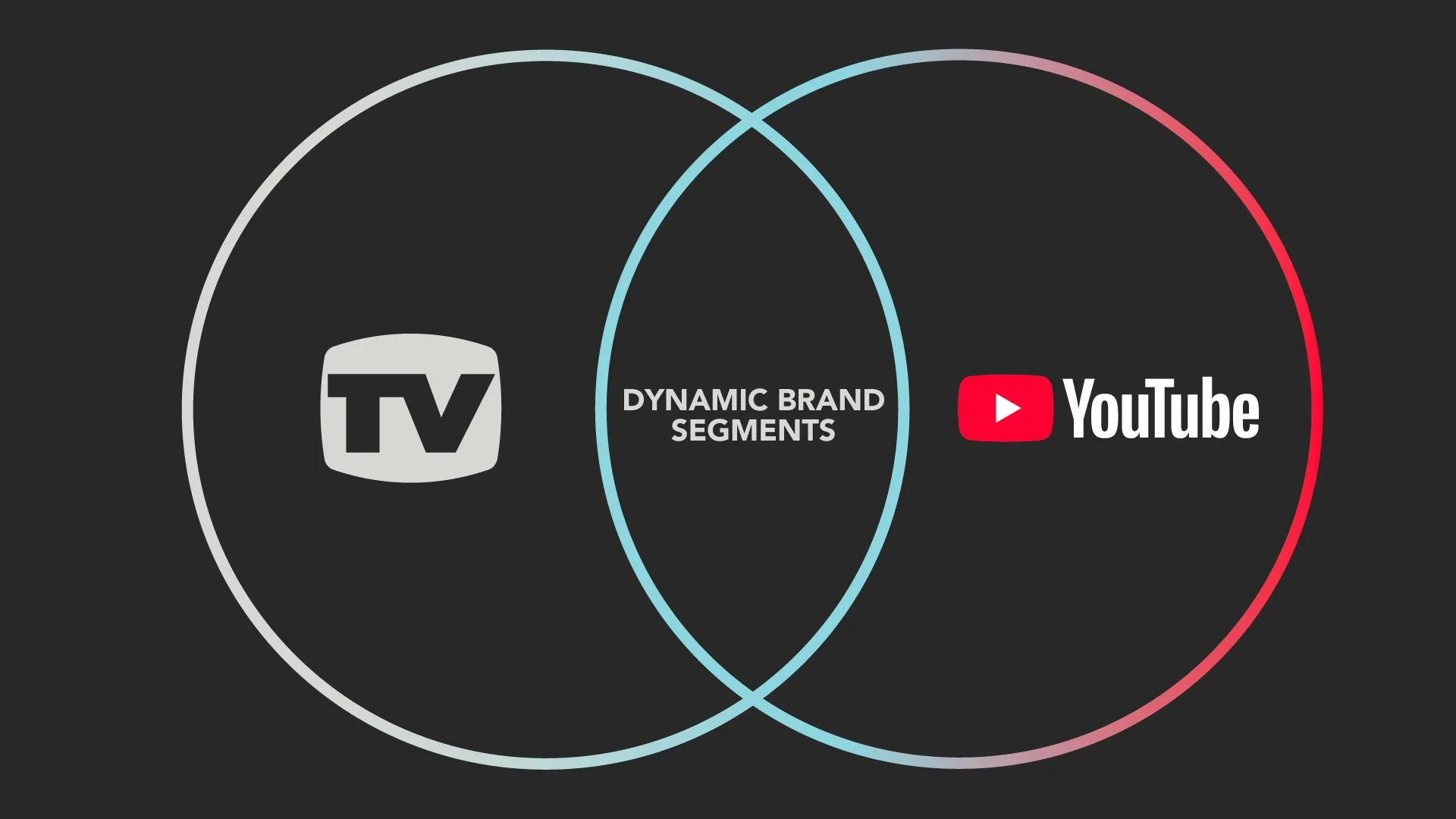
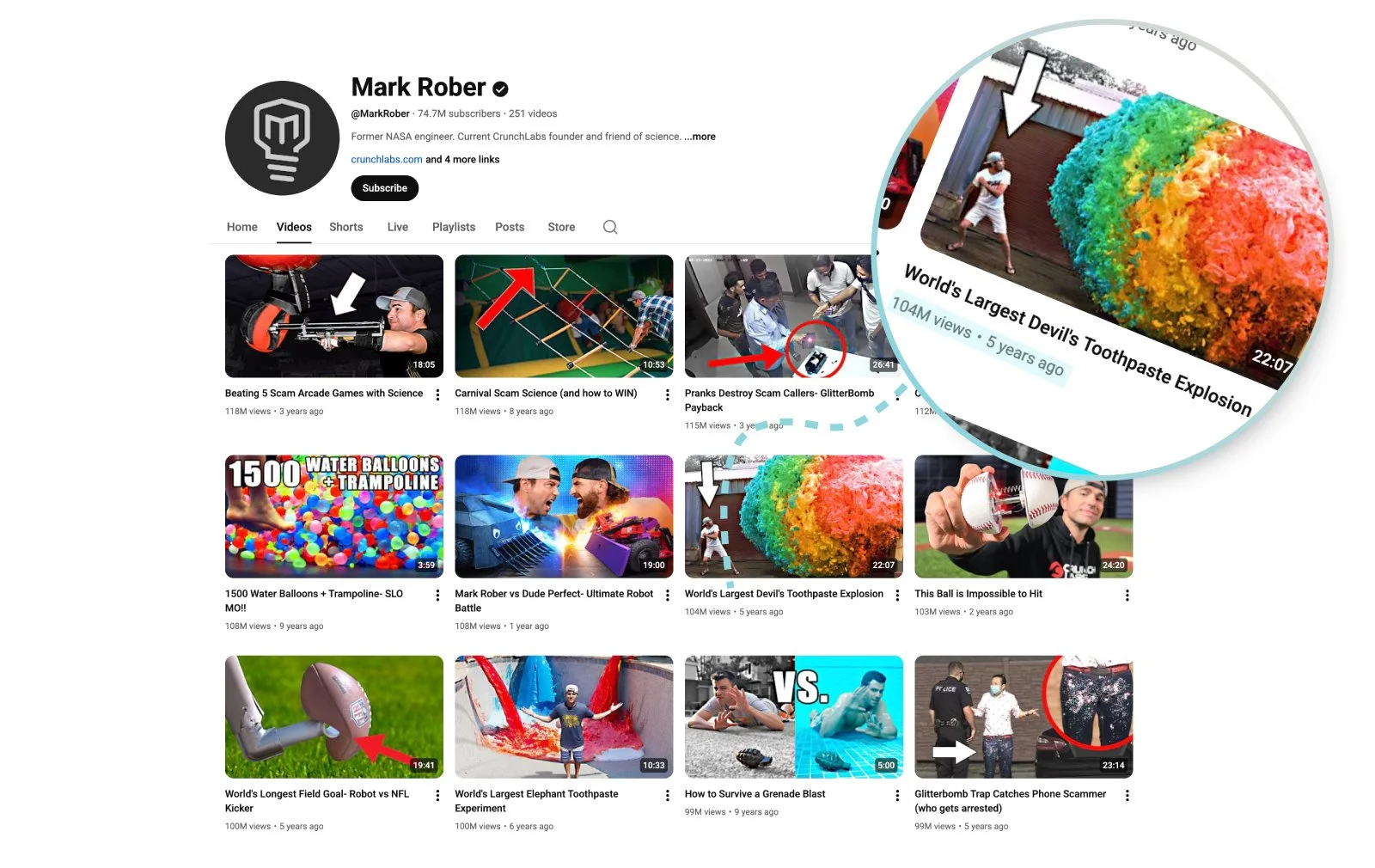
Google’s Dynamic Brand Segments let creators dynamically insert advertisements that the creator produces into long-form YouTube videos. This can be new videos or back catalog videos that are still driving traffic. Simply put, old videos can become fresh ad inventory, and brand integrations no longer have to live and die with a single upload.
That is a real shift. Not “marketing industry says everything is changing every nine minutes” shift.
This roll out of Dynamic Brand Segments [creatively called “DyBS” -- go YouTube creative] makes YouTube creator partnerships more flexible, and more operationally interesting. Use it wisely, and your brand will unlock further potential of creator-partner relationships with country targeted views.
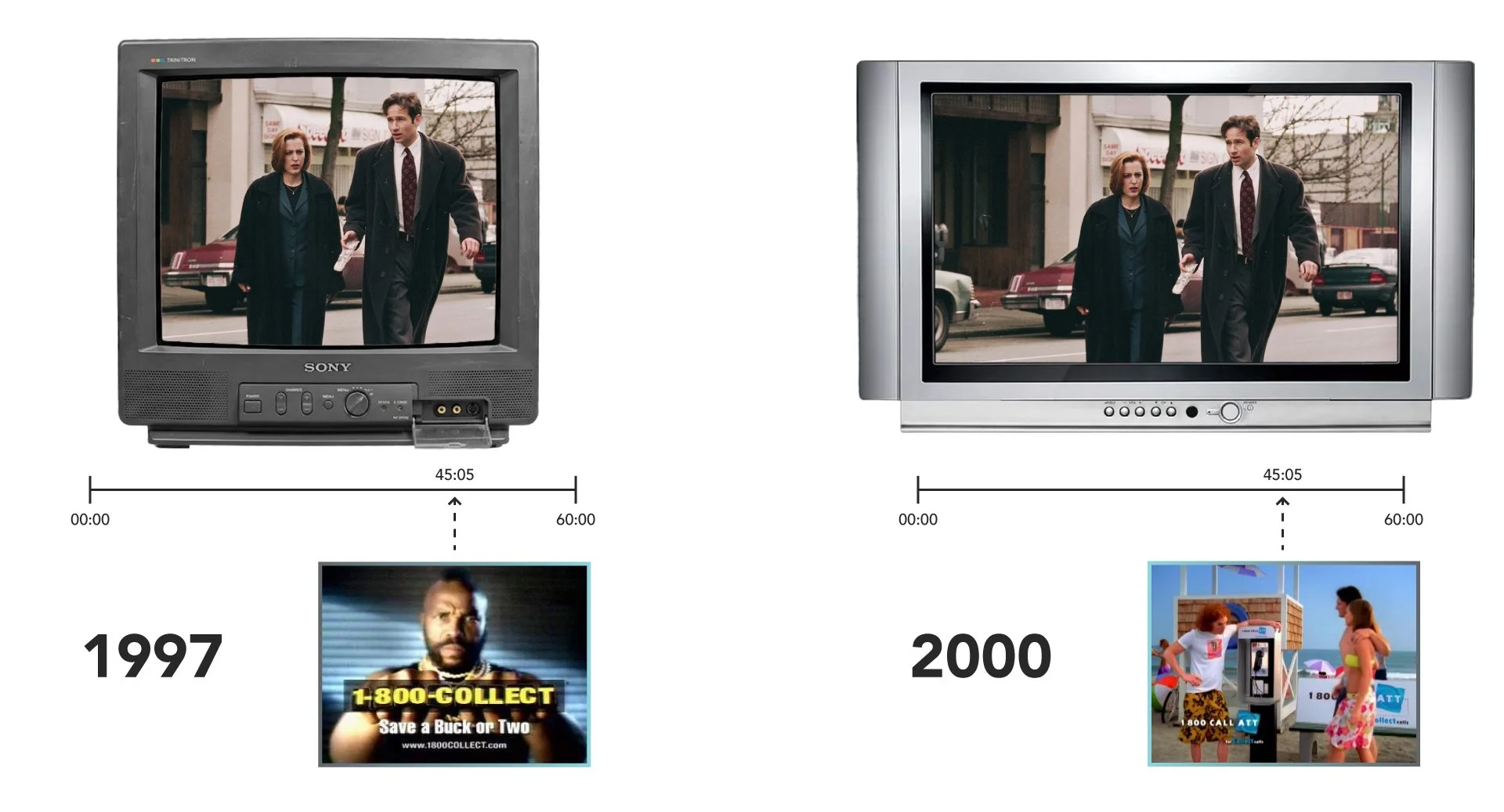
Here’s how you can explain it to your boss, you know…the one with the grey hair: imagine it’s 1997 and you’re watching a new The X-Files episode and a 1-800-COLLECT commercial pops in at 45 minutes. Now, it's 2000 watching that same rerun, only this time the TV is blasting a 1-800-CALL-ATT commercial during the same timespot. Mr. T, you’re out. Carrot Top you’re in. Now this is happening inside of YouTube videos except instead of Mr. T & Carrot Top it’s the creator personally advocating for the brand.
What YouTube actually launched
Here is the simple version: Google’s Dynamic Brand Segments allow custom branded segments to be inserted into creators’ long-form YouTube videos, and Google says the format is designed to unlock views from both new uploads and high-traffic back catalog videos. Google also supports country targeting and reporting through Google Ads / Creator Partnerships.
Here’s a few key facts:
This is a new approach for advertising in long-form YouTube content
It can work across new content and older videos
It turns a creator’s backlog of older videos into more usable commercial inventory
It pushes creator marketing further into programmatic media planning
That last point is where things get interesting.
Because the old model was simple: set up the creator partnership, watch the creator content go live, track the results.
The new model is more fluid. The brand message can live inside content that is already proven to work. That creates upside. It also creates new ways to ruin perfectly good content with lazy strategy.
Where the technology stands right now
The short version: real enough to matter, early enough to require judgment.
Google’s documentation makes clear this is not theoretical. The product exists. It is live enough to have a defined workflow inside Google Ads (brands) and YouTube Studio (creators), defined targeting, and defined reporting metrics. Google says advertisers can see reporting like impressions, views, engaged views, and view rate. At the same time, Google also says Brand Lift and third-party measurement are not currently supported.
More high-level for the boss:
Dynamic branded segments are real
Back catalog activation is real
Country targeting is available
There’s more refining that’s needed on the targeting that’s not available now but surely will come out in future quarters
Google Ads reporting is available
Measurement is still incomplete by the standards of advanced marketing teams
The needed progress for measurement matters because a lot of teams are going to overstate what this can do before they understand what it can measure.
And if you do not understand the measurement, you are going to say something incredibly confident and inaccurate in front of the boss.
Why brands should care
Because this gives brands something they almost never get enough of inside creator marketing: efficient access to relevant inventory with the ability to geo-target (at least by nation).
Instead of relying only on whatever a creator is posting next, brands can potentially tap into videos that are already performing, already ranking, already accumulating views, and already proving they have staying power. That means a creator relationship is no longer limited to a single moment in a content calendar on the massively global YouTube Platform. It can become a more targeted media asset with emerging geo-targeting capabilities.
For brands, the upside is clear:
Mileage from creators whose content libraries already work
Opportunities to align brand messaging with evergreen content
Geo-targeting creator-made content at the country level
Flexibility beyond the static one-upload sponsorship model
Ability to think about creator partnerships like a media channel
And while there’s a lot of reason for excitement, let’s be clear on one important point: More inventory is not the same thing as more strategy.
A creator with the wrong audience is still the wrong creator. A segment that feels forced is still forced. And if a brand treats this like a machine that dispenses authenticity at scale, they are going to end up with expensive placements that technically ran and died on impact.
Why creators should care
For creators, this changes the economics of the back catalog.
Google explicitly frames Dynamic Brand Segments as a way to keep older content relevant for partnerships and to continue monetizing videos that are still attracting meaningful viewership. That means a creator’s past work does not have to just sit there collecting long-tail views while only new uploads carry commercial value.
For creators, that means:
Monetization opportunities from existing content
Value creation from evergreen videos
Partnerships with brands looking to enter or only target the United States
Flexibility in how brand partnerships are fulfilled over time
That is the good news.
The bad news is that a lot of people are going to confuse “can monetize more” with “should monetize everything.”
That is how channels get weird. Fast.
If the audience starts feeling like older videos have quietly become rotating ad slots with no taste filter, the trust goes with it. And once trust is gone, that is not a measurement problem. That’s now between the audience and creator.
Country-targeting increases CPM efficiency for U.S. Audiences
A creator having a majority-U.S. audience is good.
A brand being able to only target that U.S. audience is better.
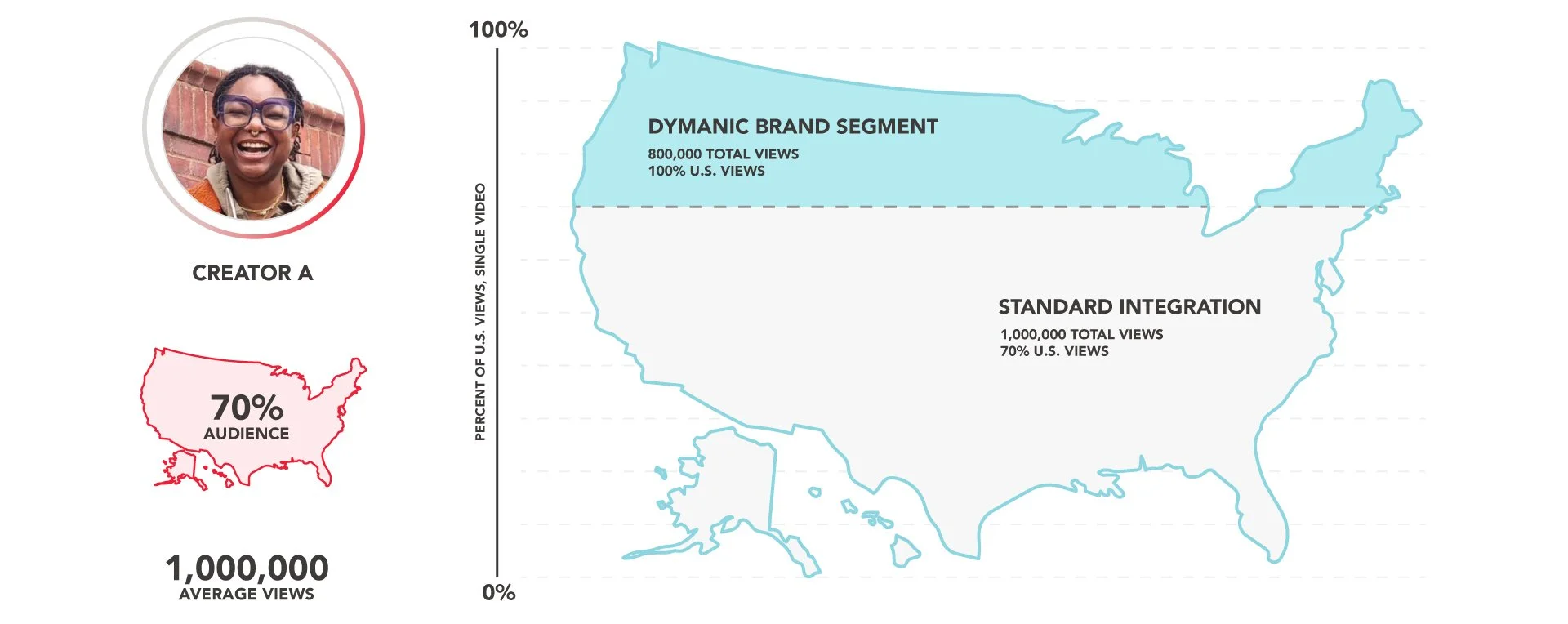
That is what makes Dynamic Brand Segments really interesting. If a creator has a majority U.S. audience, in reality that could mean 70% of the total audience (and that’s on the high end). A standard integration can still leave a brand targeting the U.S. market paying for plenty of impressions outside of the U.S. Simply put, brands can bypass buying international views if a U.S. audience is only of interest.
Best practices for brands
Let’s save some teams from making avoidable mistakes.
If you are a brand, do not look at Dynamic Brand Segments and think, “perfect, now we can shove ourselves into every old video with a pulse.”
That is not a strategy. That is digital graffiti.
And there is a better approach:
Start with creators whose long-form content naturally aligns with your audience and product
Prioritize content that’s still delivering strong views rather than older videos with a massive amount of views
Use country targeting to improve relevance, engage true potential customers, and positively impact CPM efficiency
Read performance data carefully and distinguish segment delivery from overall video popularity
Treat creator fit, video fit, and audience fit as non-negotiable
The right brand will use this to extend the life of strong creator partnerships.
The wrong brand will use it to industrialize mediocre thinking.
And yes, those outcomes look very different to consumers.
Best practices for creators
Creators need discipline here too.
Just because your back catalog can now support more monetization does not mean you’re going to re-monetize every aging video. The value of the opportunity depends on whether the ad still feels like it belongs in the content, whether the audience still feels respected, and ultimately if the content still has velocity. In practice, it’s not going to be easy to sell new spots on all back catalog videos, but Google gives you more flexibility and opportunity to do so.
The smarter creator play:
Be selective about which videos are eligible
Match brand segments to the tone and usefulness of the content
Be sure to record fresh content for brands that truly fits within the video rather than just checking the box & delivering a 60 second ad for a brand
Protect the audience relationship over short-term revenue
Work with brands that fit the channel instead “filling available inventory”
There is a simple rule here.
If the integration makes the content feel smarter, more relevant, or at least still coherent, you are unequivocally on the right track. If it makes the content feel rented out, you’re going the wrong way.
How the system breaks
We already know the answers.
Some brands will chase scale and forget context. Some creators will over-monetize old videos. Some teams will compare the vanity metrics and not look to real conversions.
Here is what failure will look like:
Irrelevant brand segments stuffed into unrelated videos
Creators putting in ads that don’t use their face and likeness…but just plus in a 30-s TV ad
Creators treating their back catalog like vending machine inventory
Teams using efficiency language to justify bad creative judgment
Marketers misreading segment performance versus total video performance
People confusing automation with strategy
The product is not the problem.
The problem is that every useful tool gets handed to people who think scale is a substitute for strategy.
It is not.
Where Outloud comes in
This is exactly the kind of shift we pay attention to.
Dynamic Brand Segments are not just a shiny new YouTube feature -- this is a new way for brands and creators to unlock more value from content that already works. We help brands figure out whether using DyBS is actually a smart move, or just a new toy dressed up as strategy. We help brands identify which channels, which videos, and which integrations make sense to invest in to achieve their desired results. It’s not just inventory that’s available – it’s also a need to identify the right creator based on their proven track-record of delivering value to their audience from brand deals. Here’s how we help:
Decide whether Dynamic Brand Segments are actually the right fit
Identify creators with back catalogs worth activating
Determine which creators are worth investing in based on our proprietary historical performance data
Determine which videos can support brand integrations without killing context or trust
Build a measurement framework around what YouTube and Google currently make possible
Separate actual strategic upside from platform hype
Robust measurement and analytics to understand what worked, what didn’t, and how to evolve your campaign for the next batch of creator partnerships
A lot of agencies will sell this like it’s automatically the future.
We won’t.
Because sometimes the right answer is yes. Sometimes it’s not yet. Sometimes it’s only for the right brand, the right content library, and the right brand with the right expectations.
That’s the job.
Not chasing every new feature.
Not pretending more scale automatically means more impact.
Not sugarcoating where this can go sideways.
Just honest strategy, clear thinking, and knowing the difference between what’s possible and what’s actually smart.